
Research in ATM
The School of Advanced Technologies in Medicine (ATM) at Shahid Beheshti University of Medical Sciences is a leading academic center dedicated to advancing the frontiers of biomedical engineering, medical innovation, and translational health technologies. Established to bridge the gap between engineering sciences and clinical medicine, the faculty plays a pivotal role in developing next-generation solutions for healthcare challenges.
ATM focuses on interdisciplinary education and research across emerging domains such as biomedical engineering, medical imaging, bioinformatics, biomaterials, neuroscience technologies, tissue engineering, and medical device development. By integrating engineering principles with medical sciences, the faculty fosters innovation that directly contributes to improved diagnosis, treatment, and healthcare delivery.
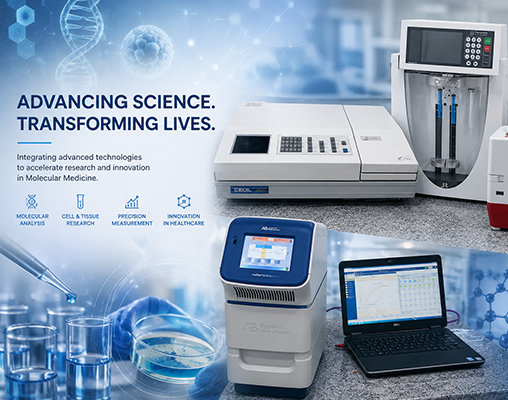
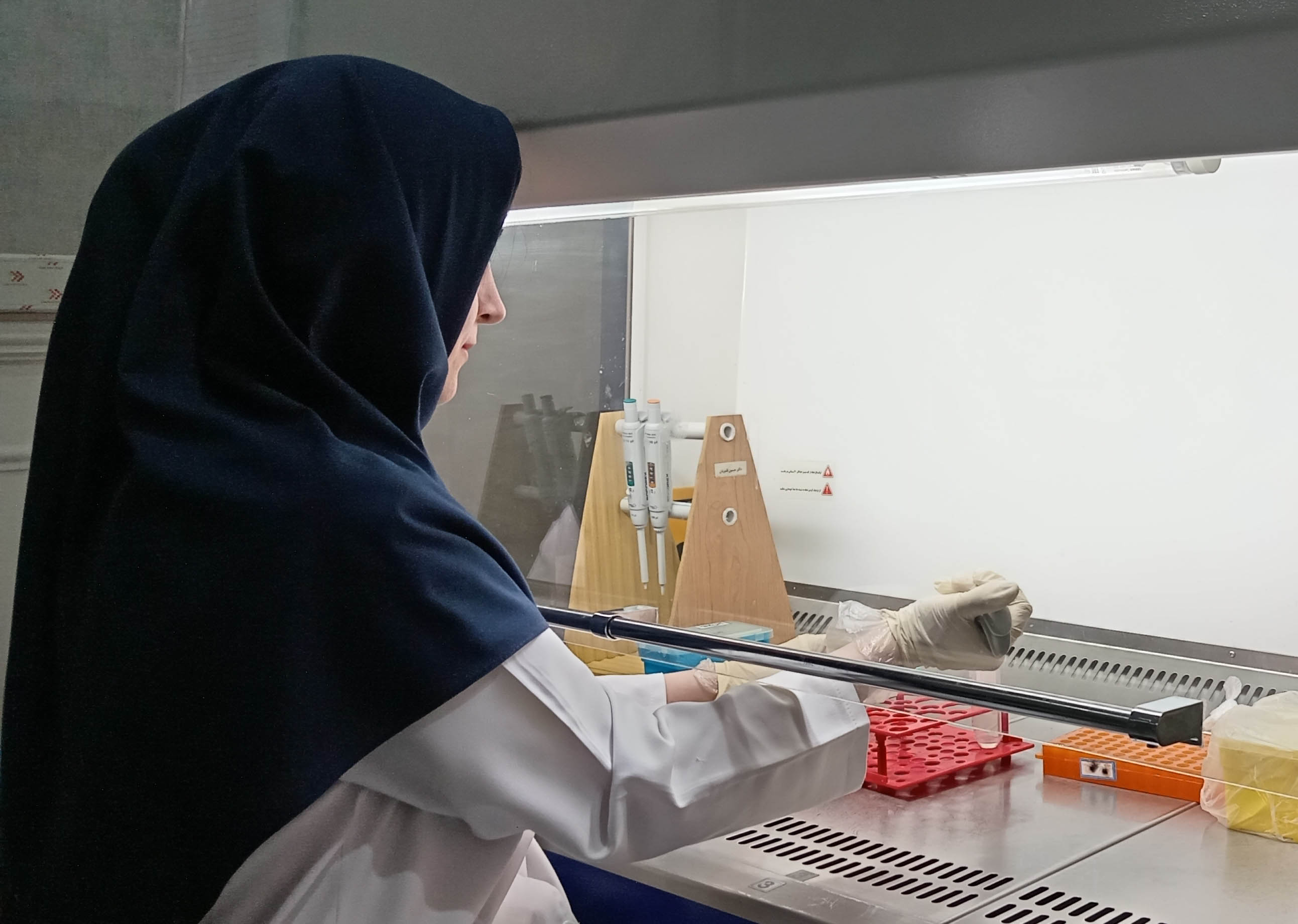
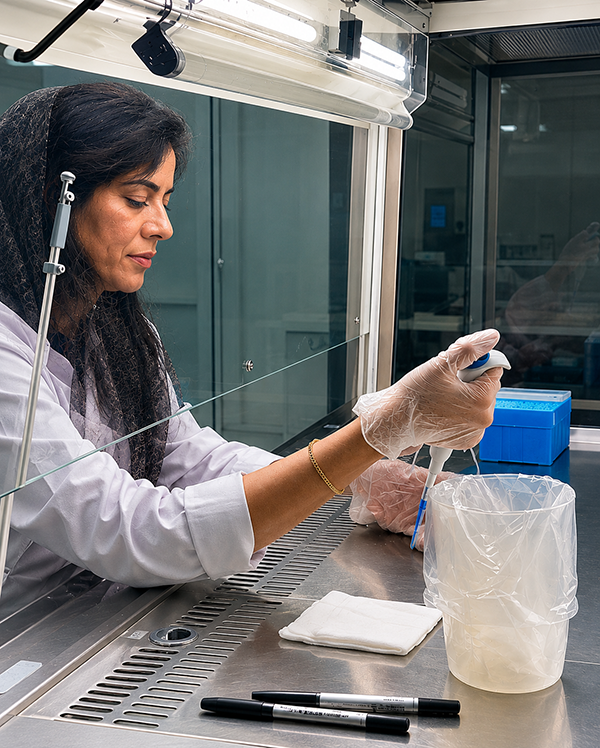
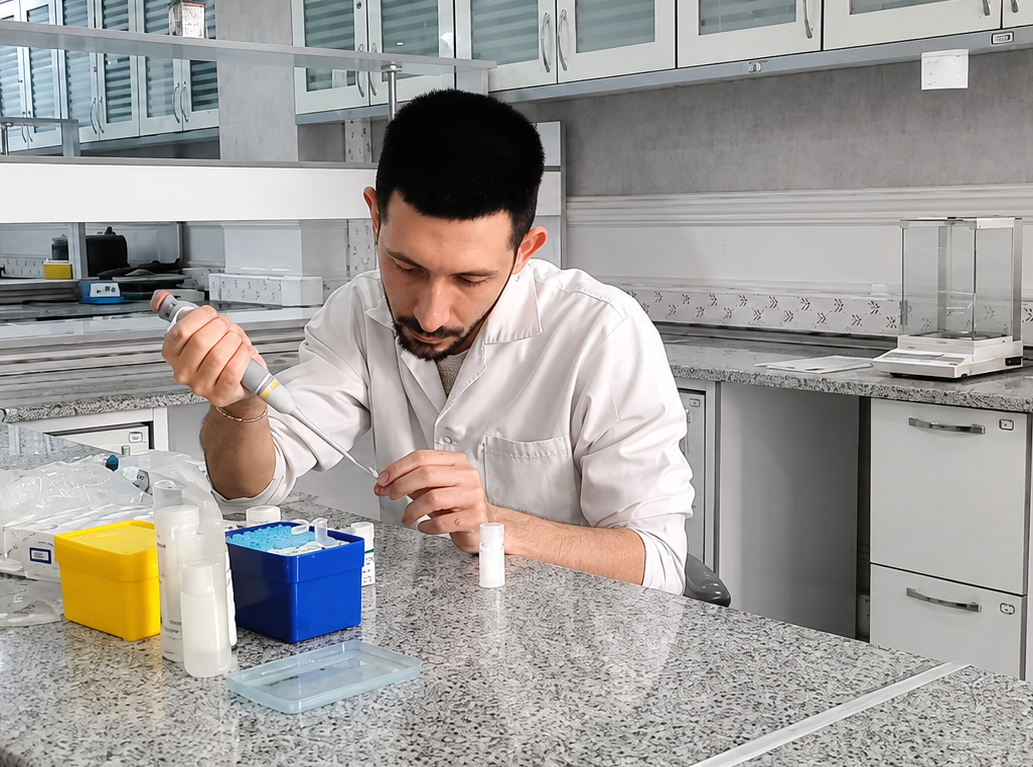
A defining strength of ATM is its close collaboration with clinical hospitals, research institutes, and industry partners. This ecosystem enables students and researchers to transform theoretical knowledge into practical applications, supporting the full cycle of innovation—from fundamental research to prototype development and clinical translation. ATM hosts advanced laboratories and research facilities that support cutting-edge work in regenerative medicine, molecular medicine, and biotechnology.
Tissue Engineering
- Biomimetic and smart scaffolds for regeneration of soft and hard tissues
- Engineering tissue microenvironment and cell–biomaterial interactions
- 3D bioprinting of complex tissues, organoids, and in-vitro models
- Regeneration of bone, cartilage, skin, neural, and cardiovascular tissues
- Controlled delivery systems (growth factors, drugs, signals) in scaffolds
- Bioreactors and dynamic culture for functional tissue maturation
Nanotechnology in Medicine
- Targeted nanosystems for drug, gene, and RNA delivery
- Nanotheranostics for diagnosis, imaging, and therapy
- Nano–bio interface, physicochemical effects, and safety
- Nanomedicine for cancer therapy and immunotherapy
- Nanotechnology applications in regenerative medicine
- Nano-biosensors for diagnostics and AI-assisted design
Applied Cell Sciences
- Regulation of cell fate (proliferation, differentiation, migration)
- Stem cells and iPSC culture for disease modeling and therapy
- Cell-based therapeutics, extracellular vesicles, and exosomes
- Cellular signaling and microenvironment interactions
- Advanced cellular disease models and personalized medicine
- Safety and long-term stability of therapeutic cells
Molecular Medicine
- Regulatory RNA therapeutics and epigenetic modulation
- Organoids and organ/disease-on-chip models
- Bioinformatics of regulatory RNAs in cancer
- miRNA-based targeted therapies and cancer research
- Nanobody-based diagnostics and therapy
- CAR-based immunotherapies and tumor modulation
Medical Biotechnology
- Recombinant proteins, peptide drugs, vaccines, and antibodies
- Bioprocess engineering and scalability
- Drug delivery and gene therapy systems (viral/non-viral)
- Genome editing therapies for genetic diseases and cancer
- Tissue repair, wound healing, and molecular diagnostics
- Engineering eukaryotic cells for protein expression